Belgrave Square bulky rubbish pickup for landlords
Posted on 17/07/2026

Belgrave Square Bulky Rubbish Pickup for Landlords: A Practical Guide to Fast, Compliant Clearances
If you manage property in one of London's most prestigious squares, you already know that waste problems rarely arrive at a convenient time. A sofa left behind after a tenancy swap, a broken wardrobe in a service corridor, old white goods in a basement, or a full flat that needs clearing between lets can quickly become more than an inconvenience. Belgrave Square bulky rubbish pickup for landlords is about handling those situations cleanly, discreetly, and without creating friction for tenants, neighbours, or building management.
In Belgrave Square, presentation matters. So does timing. And let's face it, the last thing a landlord wants is bulky waste sitting outside a townhouse for days while everyone wonders who is sorting it out. This guide explains how bulky rubbish pickup works, when landlords should use it, what to look for in a proper service, and how to avoid the annoying little mistakes that can cost time and money. If you want the practical version rather than the fluffy one, you're in the right place.
For broader context on property ownership and local expectations in the area, you may also find Belgravia's real estate investment handbook and the Belgravia home buying guide useful background reading.
Why Belgrave Square bulky rubbish pickup for landlords Matters
Bulky rubbish is not just "more rubbish". It behaves differently. A mattress, armchair, broken desk, wardrobe carcass, or appliance can block access, make a flat feel abandoned, and create a poor impression the moment a prospective tenant or incoming resident walks in. In a location like Belgrave Square, that impression matters more than most places.
For landlords, the issue is rarely just the waste itself. It's the chain reaction around it:
- void periods get longer if a property cannot be refreshed quickly;
- tenancy handovers become awkward if the previous occupier leaves oversized items behind;
- contractors and cleaners may be delayed waiting for rooms to be cleared;
- building managers and neighbours may object to items being left in shared areas;
- missed disposal deadlines can lead to extra handling, storage, or call-out costs.
There's also the reputational side. A well-managed building tends to stay that way because the owner or managing agent is organised on the basics. Bulky waste removal is one of those basics. A landlord who handles it properly sends a quiet message: this property is run properly, no drama, no mess, no fuss.
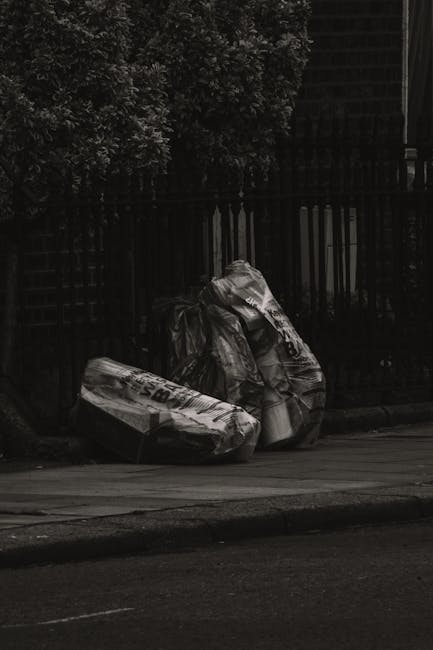
That matters even more in premium postcodes where the surroundings are immaculate and people notice everything. A single broken table left against railings can stick out like a sore thumb. Not ideal. Not at all.
If your property is part of a larger portfolio, you may also want to look at commercial waste removal in Belgravia or house clearance support in Belgravia where a broader clearance is needed.
How Belgrave Square bulky rubbish pickup for landlords Works
In practice, a bulky rubbish pickup is a scheduled removal of large items that do not fit normal bins or routine collections. For landlords, the process is usually more organised than a one-off domestic job because access, timing, and building rules matter more.
Most pickups follow a simple pattern:
- Identify the items - Make a clear list of what needs to go. Count the large pieces and note any awkward items such as pianos, heavy cabinets, or appliances.
- Check access - In Belgrave Square, access is often the real issue. Think about stairs, narrow entrances, controlled parking, porter arrangements, and lift availability.
- Arrange a suitable time - Choose a slot that avoids peak traffic, building restrictions, and tenant movement. Early morning often works well, but each building is different.
- Prepare the property - Separate bulky waste from items being kept, and make sure walkways are clear.
- Collection and loading - Items are removed from inside the property, from a forecourt, or from another agreed point, depending on the arrangement.
- Sorting and disposal - Reusable items may be separated where appropriate, while the rest is taken for lawful processing and recycling where possible.
The best services keep the process calm and efficient. There should be no wandering through the building, no trail of debris, and no uncertainty about who is taking what. If a landlord has ever tried to coordinate three different tradespeople at once, they'll know how valuable simple clarity can be.
When you are planning a changeover, it can help to think of bulky rubbish pickup as part of a wider reset. For example, an end-of-tenancy refresh might combine with furniture removal, appliance disposal, or even office clearance if the property is mixed-use or temporarily fitted out for administration purposes.
Key Benefits and Practical Advantages
Landlords don't book bulky rubbish pickup because it sounds exciting. They book it because it solves real operational headaches. The benefits are straightforward, but they add up fast.
| Benefit | Why it matters to landlords | Typical impact |
|---|---|---|
| Faster turnarounds | Clear items quickly between tenancies or after works | Less void time, quicker re-letting |
| Cleaner presentation | Maintains the high standard expected in Belgrave Square | Better first impressions |
| Reduced handling risk | Heavy items are moved by experienced crews | Lower risk of damage or injury |
| Better organisation | One coordinated pickup is easier than many ad hoc trips | Less admin and fewer interruptions |
| Compliance support | Proper disposal helps avoid fly-tipping problems | Lower legal and reputational risk |
There's also a practical benefit people overlook: peace of mind. When bulky waste is cleared properly, you stop thinking about it. That alone can be worth a lot during a busy week full of contractor calls, deposit queries, and tenant messages that begin with "just a quick one".
For landlords with mixed property stock, a reliable removal plan can also support broader maintenance routines. Many owners pair bulky pickup with regular waste removal in Belgravia so the property stays presentable between larger projects.
Who This Is For and When It Makes Sense
This service is most useful for landlords, letting agents, property managers, and asset managers who need bulky items removed from a residential or investment property. It is not just for emergency clearances, although those certainly happen.
Common situations include:
- End-of-tenancy clearances where tenants have left furniture, mattresses, or miscellaneous large items behind.
- Pre-letting preparation when old furniture or broken appliances need removing before staging or refurbishment.
- Mid-tenancy replacements if a landlord is upgrading furniture or white goods.
- Post-refurbishment cleanup when new fixtures are in but packaging, old items, or dismantled furniture remain.
- Probate or long-vacant property clearances where rooms contain a mixture of bulky waste and general contents.
It also makes sense when the property sits in a sensitive location with strict access expectations. Belgrave Square is not the place to improvise with a van blocking the wrong entrance or items left on a pavement overnight. Truth be told, that sort of thing creates avoidable friction very quickly.
If your property is nearer neighbouring SW1X streets and you want a local reference point, this Eaton Square rubbish removal guide may help you think through the logistics in a comparable setting.
Step-by-Step Guidance
If you want a smoother pickup, the trick is to plan the job from the building's point of view rather than only from the item list. Here's a practical way to do it.
1. Make a proper inventory
Write down every item that needs removing. Include quantity, size, and any awkward features such as glass, electrical parts, or a need for dismantling. A quick photo set is often useful too. It saves time later and reduces the back-and-forth that nobody enjoys.
2. Separate bulky waste from reusable or sensitive items
Keep clear what is to be removed, what is to stay, and what should be handled separately. In rental properties, that distinction can get messy fast if the flat is already half-packed or the outgoing tenant has left bits and pieces in cupboards.
3. Confirm access details early
Check entry instructions, concierge arrangements, parking restrictions, lift use, and any time windows. In premium central London buildings, access is often the main variable, not the waste volume. You can have a tiny job that turns difficult because the truck cannot stop where expected. Happens more often than people think.
4. Choose the right removal method
Some jobs need a simple collection. Others need a full clearance, especially if the property has old furniture, appliances, and mixed contents. If the property is being reset after a long tenancy or a refurbishment, a broader service like house clearance in Belgravia may be more efficient than handling items piecemeal.
5. Plan around cleaning and maintenance
Bulky rubbish should usually be removed before deep cleaning, touch-up decorating, or final staging. That sequence keeps the property efficient. No point polishing floors and then dragging a battered wardrobe through the hallway, is there?
6. Keep records
Landlords should retain basic records of what was removed, when, and by whom. This is useful for internal asset management, chargeback discussions, and general accountability. It's one of those boring admin habits that pays for itself later.
Expert Tips for Better Results
Over time, the same patterns show up again and again. A few small choices make a big difference.
- Bundle related jobs together - If a flat needs furniture out, the old fridge removed, and a few bags of mixed waste taken away, doing it in one visit often keeps things simpler.
- Work with a realistic time window - Central London access can be less predictable than you hope. Build in a little breathing room.
- Protect the route - Hallways, stair edges, and lobby areas can be vulnerable during bulky item removal. Good crews are careful, but clear access still helps.
- Use photos before and after - Helpful for landlords, agents, and managing teams. It keeps everyone aligned.
- Ask how items will be handled - Reuse, recycling, and disposal methods matter, especially where environmental reporting or tenant expectations are involved.
A small but useful tip: if a property has a basement, check whether the bulkiest items should come out first or last. Sometimes the largest item is easiest to move when the route is still clear. Sometimes it is the opposite. A crew that thinks ahead saves you a headache.
When a landlord is also refreshing soft furnishings, it can be worth looking at furniture disposal options rather than treating every item as a standalone problem.

Common Mistakes to Avoid
A lot of bulky rubbish problems are not really waste problems. They are planning problems. The good news? Most are avoidable.
- Leaving it until the last minute - This leads to rushed collections, awkward access issues, and more chance of items being left outside.
- Assuming all bulky items are treated the same - Mattresses, appliances, wood furniture, and mixed contents may need different handling.
- Forgetting building rules - Concierge approval, loading restrictions, and quiet hours can derail an otherwise easy job.
- Mixing waste with retained property - One misplaced item can create unnecessary disputes after the clearance.
- Using an unverified operator - If you cannot trust the disposal route, the risk sits with the landlord too.
- Ignoring the post-clearance finish - Once the bulky waste is gone, the property still needs a final check. Small screws, packaging, dust, and forgotten cables have a habit of hiding in corners.
And yes, there is always that one room where a drawer or two somehow survives the cull. People laugh about it later, usually after they've found it behind a curtain. Very normal, annoyingly.
Tools, Resources and Recommendations
You do not need a complicated system, but a few simple tools make landlord waste management much easier.
- Photo inventory - A phone camera is enough. Take pictures of each room and the bulky items before removal.
- Access notes - Record gate codes, concierge names, parking instructions, and time restrictions in one place.
- Condition checklist - Useful if the property is being handed between tenants or prepared for inspection.
- Maintenance schedule - Helps coordinate bulky waste pickup with cleaners, decorators, and handymen.
- Document folder - Keep invoices, pickup notes, and any service confirmations together for easier reference later.
For landlords who manage multiple sites, a simple spreadsheet is often enough. No fancy software required. Just item type, collection date, property address, and follow-up notes. Plain and practical beats clever-and-confusing every day of the week.
It can also help to understand the provider's wider service base. A company that also handles rubbish collection, domestic waste collection, and builders' waste disposal is often better placed to manage mixed landlord jobs.
Law, Compliance, Standards, or Best Practice
Bulky waste removal may sound straightforward, but landlords should still treat compliance seriously. In the UK, the basics are simple: waste must be handled lawfully, transferred to appropriate facilities, and never dumped improperly. The details matter because the property owner can be left dealing with the consequences if a job is handled badly.
For landlords and managing agents, good practice usually includes the following:
- Use a properly authorised waste carrier and keep a record of the provider used.
- Ask where the waste goes, especially for mixed or high-volume clearances.
- Retain basic paperwork for internal accountability and property records.
- Take care with hazardous items such as damaged electrical equipment, chemicals, or anything that clearly requires separate handling.
- Respect building and neighbourhood requirements so the removal itself does not create nuisance or access issues.
If you are choosing a provider, it is sensible to look at their stated waste carrier licence and compliance information, plus their approach to insurance and safety. Those pages can help you judge whether the operation is set up responsibly.
Environmental expectations matter too. Landlords increasingly want to know that reusable materials are separated where possible and that disposal is handled with care. You do not need to become a waste expert, thankfully. But you do want a service that treats lawful disposal as standard, not optional.
Options, Methods, or Comparison Table
There is more than one way to deal with bulky rubbish, and the right choice depends on volume, access, urgency, and the condition of the items. Here's a straightforward comparison.
| Method | Best for | Pros | Watch-outs |
|---|---|---|---|
| Ad hoc item-by-item removal | A small number of bulky items | Can be simple if access is easy | Becomes inefficient if the list grows |
| Scheduled bulky pickup | Landlords with a short list of large items | Organised, fast, predictable | Needs good access planning |
| Full property clearance | Emptying a flat or townhouse | Best for mixed contents and faster resets | Requires more coordination |
| Combined clearance and waste removal | Turnovers involving furniture, appliances, and smaller rubbish | Reduces the number of visits | Needs clear item separation |
For most Belgrave Square landlords, the middle ground is often best: enough planning to avoid disruption, but not so much complexity that the job becomes over-engineered. If a property is fully stripped or being prepared for major refurbishment, waste removal in Belgravia may be a better umbrella approach than trying to segment every item too finely.
Case Study or Real-World Example
Here's a realistic scenario. A landlord in Belgrave Square has a flat coming to the end of a long tenancy. The incoming tenant is due in less than a week. The outgoing occupier has left a sofa, two wardrobes, a damaged chest of drawers, and an old washing machine in the kitchen. The cleaner is booked, the decorator wants to patch and paint, and the agent wants photos taken before the weekend.
The problem is not dramatic, but it is time-sensitive. If the bulky items are not removed quickly, everything else gets pushed back. The hallway also needs to remain clear because the building has managed access and the lift is shared with neighbours. That means the pickup must be tidy, punctual, and quiet enough not to annoy anyone.
In a case like that, the best outcome comes from making one clear list, confirming access early, and scheduling the removal before the cleaning appointment. The items are taken in one visit, the property is left ready for the next stage, and the landlord avoids the classic panic of trying to move a sofa while a cleaner is already vacuuming around it. Not ideal, not elegant, and very avoidable.
This is where a well-organised local service feels worth it. It is not just about lifting heavy things. It is about making the whole reset feel smooth.
Practical Checklist
Use this quick checklist before arranging a pickup:
- List every bulky item that needs removing.
- Confirm which items stay in the property.
- Take photos of the rooms and access route.
- Check building rules, access times, and parking constraints.
- Separate electrical items, furniture, and general rubbish where possible.
- Coordinate the pickup with cleaning and maintenance work.
- Keep notes of the date, time, and items removed.
- Ask about the provider's compliance and disposal process.
- Make sure the property is left clear for the next trade or viewing.
- Do a final walkthrough after collection. Always.
Expert summary: The best Belgrave Square bulky rubbish pickup for landlords is the one that feels almost invisible to everyone else. Clear access, careful handling, lawful disposal, and proper timing are what keep a premium property running smoothly.
Conclusion
Belgrave Square bulky rubbish pickup for landlords is really about control. Control over timing, presentation, access, compliance, and the overall standard of the property. When bulky waste is handled well, everything else becomes easier: cleaning, decorating, viewings, tenant handovers, and the simple business of keeping a valuable asset in top condition.
The main thing to remember is this: don't treat bulky rubbish as a last-minute nuisance. Treat it as part of the property management process. A little planning goes a long way, and in a place like Belgrave Square, that level of care shows.
If you are comparing support options, reviewing local service pages, or planning a larger clearance, start with the job itself, then choose the method that fits the building, the timeline, and the items. That way you keep things tidy, calm, and properly done. Which, in landlord life, is usually the goal.
Get a free quote today and see how much you can save.