Eaton Square rubbish removal guide SW1X
Posted on 03/07/2026
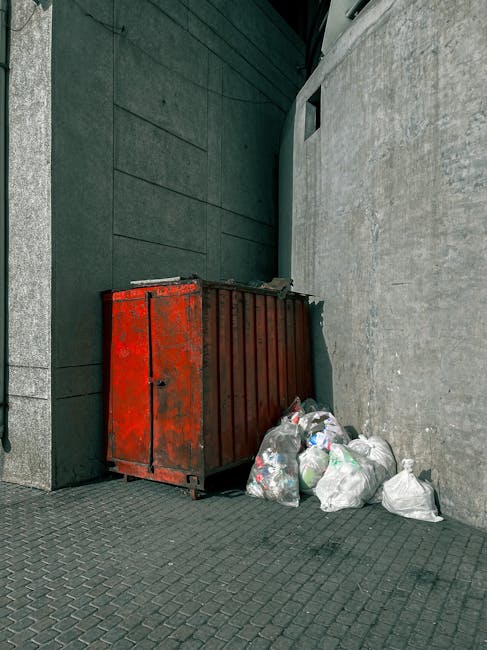
If you live, work, manage property, or are clearing a flat around Eaton Square, rubbish removal can feel more complicated than it should. Tight access, resident expectations, careful timings, and the simple fact that Belgravia properties often need a tidier, more discreet approach all change the job. This Eaton Square rubbish removal guide SW1X explains how to handle it properly, what to expect from a professional collection, and how to avoid the classic mistakes that lead to delays, extra costs, or a messy entrance hall at the worst possible moment.
Whether you are emptying a mews property, dealing with post-renovation waste, replacing furniture, or just getting rid of a pile that has quietly grown behind the utility room door, the goal is the same: remove waste safely, quickly, and with as little disruption as possible. Let's face it, nobody wants sacks sitting around in a smart square any longer than necessary.
Why Eaton Square rubbish removal guide SW1X Matters
Eaton Square sits in one of London's most recognisable residential pockets, and that brings a different set of expectations compared with a typical high-street clear-out. Waste often has to be removed with care for shared entrances, permit considerations, neighbours, porters, and building rules. In practical terms, this means rubbish removal is not just about lifting bags into a van. It is about coordination, discretion, and avoiding disruption.
For many residents and property managers, the biggest issue is timing. A collection that works fine on a quiet suburban road can feel clumsy here if it blocks access, clashes with deliveries, or leaves waste outside for too long. In a place like SW1X, a clean, organised handover matters. That is true after renovations, when moving in or out, or when you are preparing a property for letting or sale. If you are handling a larger clear-out, it can also help to look at a broader house clearance service in Belgravia rather than trying to piece together disposal one bag at a time.
There is also a trust factor. People want to know waste is handled properly, not dumped somewhere questionable. That is why choosing a licensed carrier, asking the right questions, and keeping records where needed matters so much. In this part of London, small details carry weight. A tidy frontage can say a lot before anyone even steps inside. Bit of a thing, really.
How Eaton Square rubbish removal guide SW1X Works
In simple terms, rubbish removal works by matching the type and volume of waste to the right method of collection. For some jobs, that means a few bulky items taken away from inside the property. For others, it means loading builders' waste, mixed household rubbish, garden clippings, or old furniture from a basement, top-floor flat, or mews address.
A good provider will usually begin with a clear description of what needs removing. Photos help, especially where access is awkward. From there, the collection is planned around waste type, volume, lifting needs, and any building constraints. A sensible operator will also think about where the load can be staged, how long loading will take, and whether any items need separation for reuse or recycling.
For everyday domestic waste, a service such as domestic waste collection in Belgravia is often the most straightforward option. For more complex jobs, waste may need to be broken into categories: general rubbish, bulky furniture, appliances, timber, plasterboard, green waste, or office items. That sounds more involved than it is, but it keeps the job efficient and helps avoid surprise charges.
Most reputable services will also confirm what they can and cannot take. Hazardous waste, certain electrical items, or materials needing special handling may need a separate arrangement. Better to ask upfront than to discover a problem when the team arrives and the lift is already booked. Nobody needs that little drama.
Key Benefits and Practical Advantages
Professional rubbish removal around Eaton Square offers more than convenience. The real value is in how much friction it removes from your day.
- Speed: Waste is cleared in one visit rather than multiple car trips or repeated waiting around.
- Less disruption: Proper loading plans reduce the chance of blocking entrances, lifts, or shared spaces.
- Better presentation: This matters if a property is being sold, let, or handed back to an estate manager.
- Safer handling: Heavy items, sharp edges, and awkward stairwells are managed by people used to the work.
- Cleaner outcome: A good crew leaves the area swept and presentable, not just "job done" in the loosest sense.
- Compliance support: Licensed removal helps reduce the risk of fly-tipping and poor waste handling.
If you are deciding between a general collection and a more complete clear-out, it may be worth comparing broader services such as waste removal in Belgravia and more item-specific help like furniture disposal in Belgravia. Matching the job to the right service usually saves time, and often money too.
One overlooked advantage is peace of mind. You do not have to argue with a neighbour about bins, drag a sofa through a narrow hall yourself, or spend half a Saturday trying to work out whether the local tip will accept a random mix of waste. There is a lot to be said for handing it over properly.
Who This Is For and When It Makes Sense
This guide is for anyone in or around Eaton Square who needs rubbish removed without fuss. That includes homeowners, tenants, landlords, estate agents, family offices, concierge teams, and contractors working on refurbishments or fit-outs.
Common situations include:
- End-of-tenancy clear-outs
- Property refreshes before sale or viewing
- Furniture replacement in apartments or townhouses
- Small renovation projects
- Post-event clean-ups after private gatherings
- Office or study clearances in mixed-use settings
- Storage room, loft, or basement decluttering
If you are dealing with more than a few bags, it may make more sense to book a collection rather than trying to rely on regular household waste channels. For example, if a room has been used as overflow storage for years, the fastest route is often a structured clearance rather than several piecemeal removals. In those cases, loft clearance in Belgravia can be a surprisingly efficient match, even if the items are not literally from a loft.
Commercial clients should think slightly differently. If the waste relates to office moves, reception upgrades, or a refurbishment, the collection needs to fit business hours, client access, and building management requirements. That is where a dedicated office clearance service in Belgravia can be more practical than a general ad hoc collection.
Step-by-Step Guidance
Here is a sensible way to handle rubbish removal around Eaton Square, without making it harder than it needs to be.
- Sort the waste by type. Separate furniture, general rubbish, electronics, green waste, and building materials where possible.
- Check access. Note stairs, lift size, parking restrictions, loading windows, and any building rules.
- Take photos. This helps the provider estimate labour, vehicle size, and collection time more accurately.
- Ask what is included. Loading, sweep-up, disposal, and recycling handling should all be clear.
- Confirm timing. Choose a slot that suits the building and minimises disruption.
- Prepare the items. Move waste to a sensible staging point if you can do so safely.
- Keep key documents if needed. For business or managed-property jobs, retain booking details and waste transfer paperwork.
- Do a final walk-through. Check corners, balconies, bin stores, and basement spaces before the team leaves.
A quick example: if you are clearing a two-bed flat after new furniture arrives, the most efficient approach is to identify what is leaving before the new delivery time. That prevents waste from competing with packaging, protects the hallway, and avoids that slightly chaotic feeling of boxes everywhere at once. Time matters. Always does.
If your waste includes awkward bulky items, a service like furniture removal in Belgravia can simplify things because the team is set up for lifting, manoeuvring, and dismantling where necessary. For appliance-heavy jobs, see whether white goods and appliance disposal in Belgravia is the better fit.
Expert Tips for Better Results
Small bits of preparation make a big difference. Honestly, this is where many people save themselves trouble.
- Photograph tricky access points. Narrow staircases and basement steps can change the plan completely.
- Group similar items together. It helps the crew load faster and reduces the chance of missed items.
- Remove personal documents early. Papers, photos, and records are easy to overlook in a rush.
- Ask about recycling routes. Not every load is just "waste"; some items can be separated and diverted.
- Be clear about fragile surroundings. Mention marble thresholds, paintwork, fitted carpets, or awkward door frames.
- Plan for the weather. Rain, wind, and wet pavements can make loading slower than you expect, especially at street level.
Another practical point: if you are clearing waste after decorating, keep plaster, timber offcuts, and mixed rubble separate from furniture and bags of general rubbish. That makes it easier to use the right service, such as builders waste disposal in Belgravia, rather than forcing everything into one uncertain pile.
And do not underestimate scheduling. A 20-minute delay in the morning can ripple through the whole day if the lift is shared or the parking bay is time-limited. In a place like Eaton Square, the collection that feels boringly organised is usually the best one.

Common Mistakes to Avoid
A few avoidable errors show up again and again.
- Leaving everything until collection day. Sorting under pressure slows things down and increases the chance of missed items.
- Assuming all waste is treated the same. Furniture, electricals, soil, and construction debris often need different handling.
- Ignoring access constraints. A van may be fine, but stairs, timing restrictions, and concierge procedures can be the real obstacle.
- Not checking the provider's waste carrier compliance. This is one of those details that matters more than it first appears.
- Choosing purely on price. Cheap can become expensive if the collection is incomplete or there are hidden extras.
- Forgetting about disposal records. Useful for landlords, businesses, and managing agents.
A classic example: someone books a collection for "a few items" and then, on the day, the team finds six dismantled wardrobes, a broken exercise bike, mixed bags, and plasterboard tucked behind the door. That turns a simple collection into a longer job. Not a disaster, but definitely avoidable.
If you want a broader service route that can cover mixed waste more flexibly, look at rubbish collection in Belgravia alongside the more specialised pages. Often the right answer is the one that fits the actual pile, not the name you first had in mind.
Tools, Resources and Recommendations
You do not need a van full of equipment to prepare well. A few simple tools make the process smoother:
- Strong bin bags or rubble sacks
- Labels or tape for separating categories
- Gloves with decent grip
- Furniture blankets or cardboard sheets for protecting surfaces
- A torch for basements, cupboards, and loft corners
- Phone camera for photos and inventory notes
For heavier or mixed-load jobs, it also helps to choose a provider that is comfortable with different types of waste and can advise you rather than simply turning up with a van and hoping for the best. You can get a sense of service scope from the wider services overview, and if you are comparing costs, the pricing and quotes page is a sensible starting point.
On the sustainability side, it is worth asking how reusable items are handled and whether recyclable materials are separated responsibly. A well-run collection should not treat every item as disposable in the same way. That's just lazy, really. If sustainability matters to you, the company's recycling and sustainability approach can be a useful indicator of how carefully waste is managed.
Law, Compliance, Standards, or Best Practice
In the UK, waste must be handled properly, and customers should take reasonable care when choosing a carrier. For most readers, the main practical point is straightforward: use a service that can demonstrate it is allowed to collect and transport waste, and make sure the waste goes somewhere legitimate. That is not just a box-ticking exercise. It protects you if the waste is later mishandled.
For domestic and commercial clients in SW1X, the best practice is to keep records of what was removed, who collected it, and when. Businesses and landlords often need this more than homeowners do, but it is still smart to retain the information. If there is ever a query, you will be glad you did.
Insurance also matters. Waste removal involves lifting, moving through shared spaces, and working around property features that may be delicate or expensive. A responsible operator should be able to explain how they manage safety and damage prevention. You can review that kind of reassurance through the site's insurance and safety information and its waste carrier licence and compliance details.
For business customers, it is also sensible to check the provider's terms before confirming a collection. Things like access delays, additional labour, and item restrictions are usually clearer when you read them early rather than after the van has arrived. The same goes for payment handling and privacy, which is why the company's payment and security and privacy policy pages can help set expectations.
Options, Methods, and Comparison Table
Different waste jobs call for different approaches. Here is a practical comparison.
| Method | Best for | Pros | Watch-outs |
|---|---|---|---|
| Ad hoc bag-and-box collection | Small household clear-outs | Quick, simple, low effort | Can become inefficient if the pile grows |
| Bulky item removal | Sofas, wardrobes, beds, appliances | Good for heavy or awkward items | Needs clear access and accurate item counts |
| Mixed rubbish collection | General waste with a range of item types | Flexible and practical | Some materials may need separating |
| Full property clearance | Moves, probate, end-of-tenancy, deep declutters | Most complete solution | Requires more planning and time |
| Specialist waste disposal | Builders waste, white goods, garden waste, office waste | Tailored handling and better sorting | Needs the right category from the start |
For example, if you are clearing a flat after a refurbishment, using a specialist route for construction debris is usually more efficient than trying to include it in a general rubbish job. On the other hand, a few old chairs and boxes can often be handled with a simpler collection. The trick is to match the method to the actual load.
If you are dealing with garden overgrowth or exterior tidy-up waste, garden waste removal in Belgravia is likely the better fit than a general household clearance. Small distinction, big difference.
Case Study or Real-World Example
Here is a realistic scenario. A resident in an Eaton Square apartment had just finished a light refurbishment: new shelving, old curtains taken down, a broken chest of drawers in the bedroom, packaging from delivered furniture, and a few bags of mixed household rubbish. Nothing extreme, but enough to make the place feel cluttered and unfinished.
Instead of making several trips or leaving things to build up in the hallway, the resident separated the waste into three groups: bulky furniture, cardboard and packaging, and mixed rubbish. Photos were sent ahead of time, access was checked, and a time slot was chosen to avoid the busiest part of the day. The collection was completed in one visit, and the hallway was left tidy. The property looked ready again, which was the real win.
The notable part was not the scale of the job. It was the planning. Because the items were grouped properly and the access details were clear, the collection moved smoothly. That is often what separates a calm job from a frazzled one. One small detail, then another, and suddenly the whole thing feels easy.
This kind of process also works well for more substantial clearances, especially where a property needs to be returned to a clean, presentable state before a sale, tenancy handover, or decorators' return visit. If you are in that position, a more complete option such as house clearance in Belgravia may be worth considering from the start.
Practical Checklist
Use this before booking or on the morning of the collection.
- Identify the waste type and approximate volume
- Separate furniture, appliances, general rubbish, and building waste
- Check building access, lift size, and parking restrictions
- Take clear photos of the items and access route
- Remove valuables, paperwork, and personal items first
- Confirm the collection time and any arrival window
- Ask whether loading, sweep-up, and disposal are included
- Check the provider's compliance and safety information
- Make sure shared areas are protected if needed
- Do a final check of storage rooms, cupboards, and balcony corners
If the job involves business premises or a mixed-use property, it is worth aligning the collection with other operational needs too. That can reduce disruption more than you might expect. A little planning, and the whole day runs better.
Get a free quote today and see how much you can save.
Conclusion
Rubbish removal in Eaton Square is not just about clearing clutter. It is about doing the job in a way that respects the property, the building, and the people around it. The best results usually come from simple preparation: know what needs removing, understand access, choose the right service type, and work with a provider that handles waste responsibly.
Whether you are clearing a single item, tidying after a renovation, or managing a larger property turnover, a calm and well-planned approach will always beat last-minute scrambling. That is true in most parts of London, but especially here.
And if all you wanted was to make the place feel fresh again, fair enough. A clean space changes how a room feels. Sometimes that is all you need, a reset, and a bit of breathing room.